

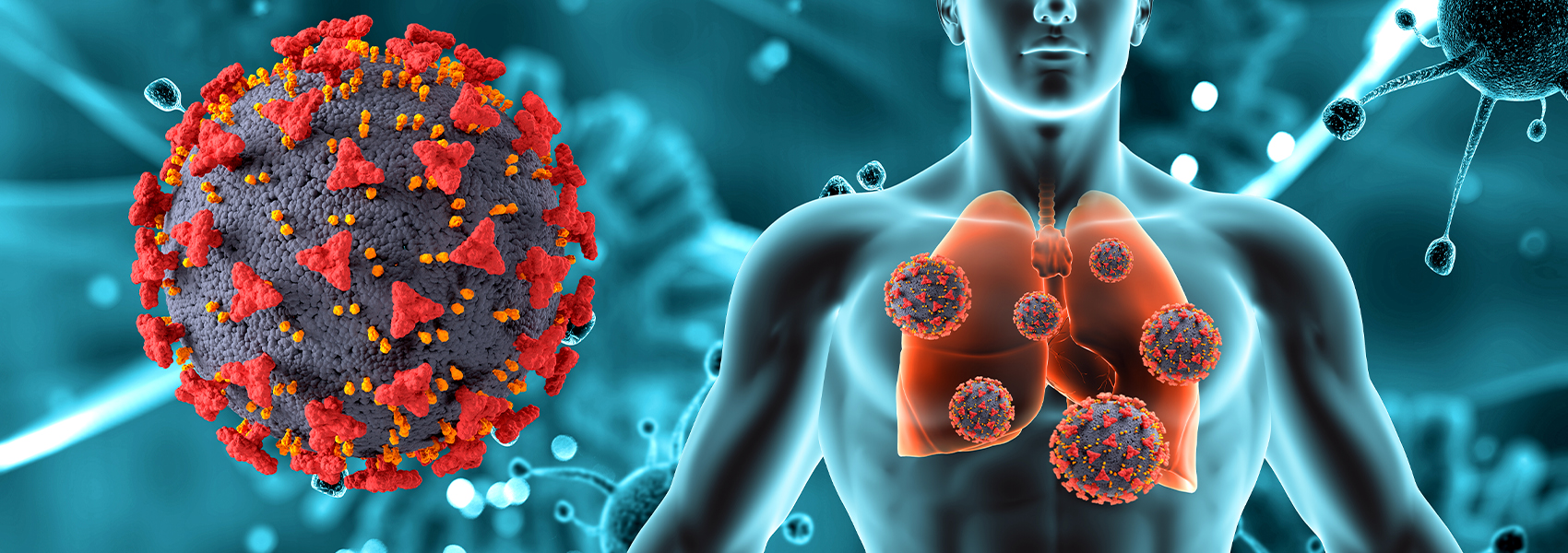

The management of lung cancer typically involves a multidisciplinary approach, and a “lung cancer
team” refers to a group of healthcare professionals from different specialties who collaborate to
provide comprehensive care for individuals with lung cancer. The team works together to diagnose,
stage, and treat the cancer, as well as to provide supportive care throughout the patient’s journey.
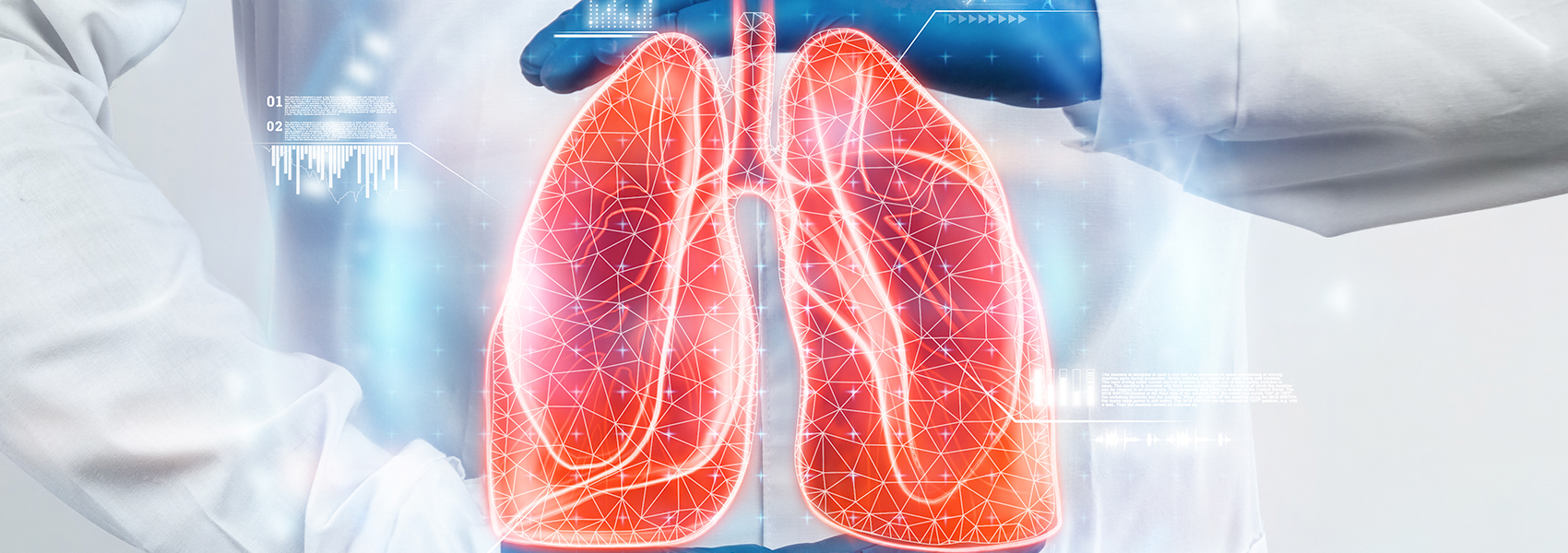
A doctor who specializes in lung diseases. Pulmonologists are often involved in the diagnosis and management of lung cancer, particularly if the cancer is detected through respiratory symptoms or imaging studies.
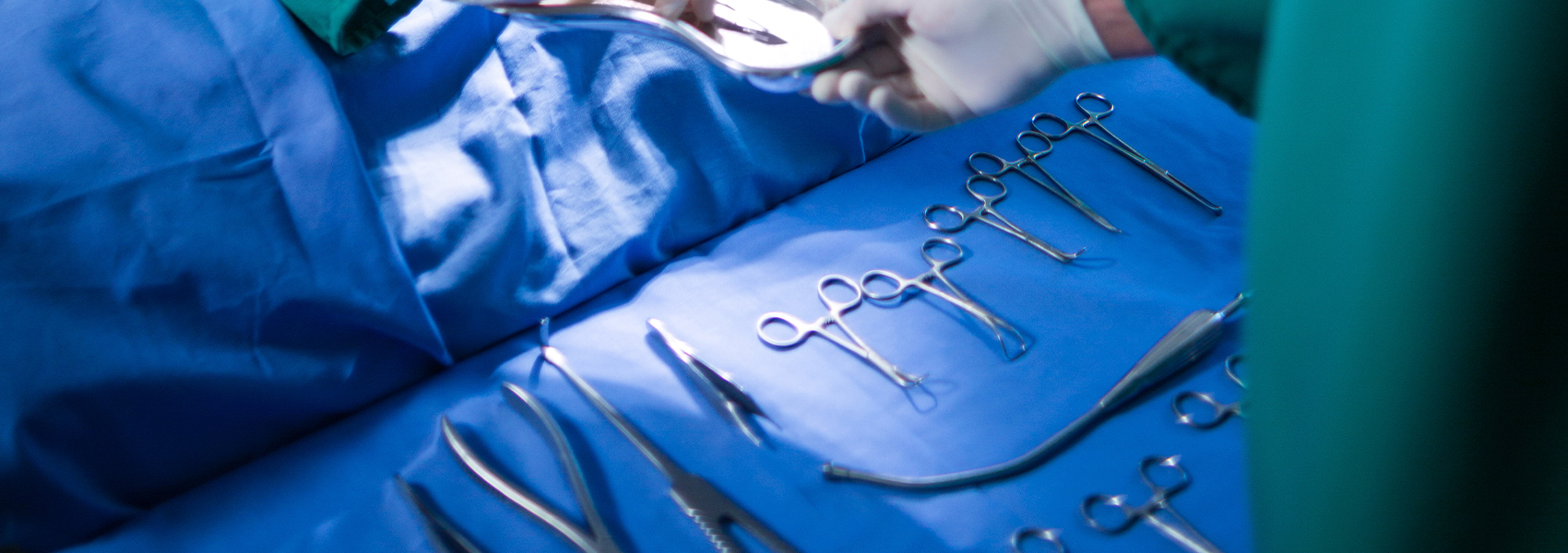
A surgeon who specializes in operations on the chest, including lung surgeries. They may be involved in procedures such as lung resections (Robotic Resection,VATS resection) or biopsies.

A doctor who specializes in the treatment of cancer using chemotherapy, targeted therapies, immunotherapy, and other systemic treatments.
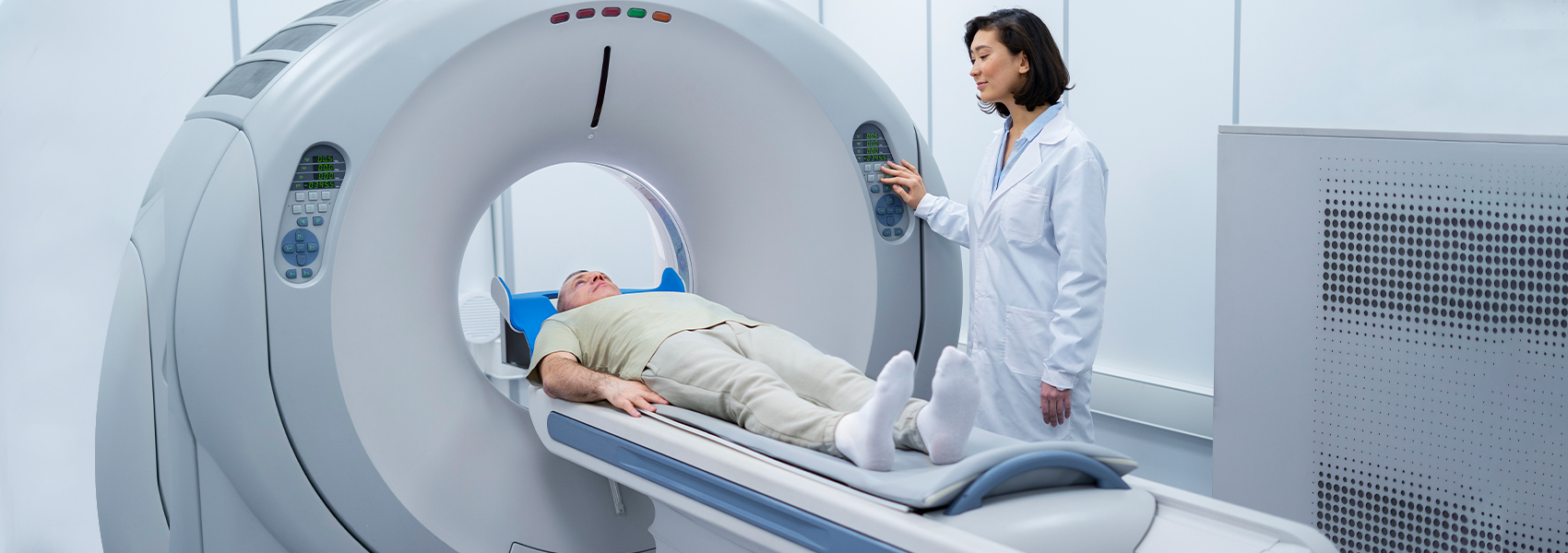
A doctor who specializes in using radiation therapy to treat cancer. Radiation oncologists may be involved in developing and administering radiation treatment plans.

A medical professional who examines tissue samples (biopsies) to diagnose the type and stage of cancer. The pathologist’s findings are crucial for determining the most appropriate treatment.
A specialist who interprets imaging studies, such as X rays, CT scans, and PET scans, to help diagnose and stage lung cancer.
