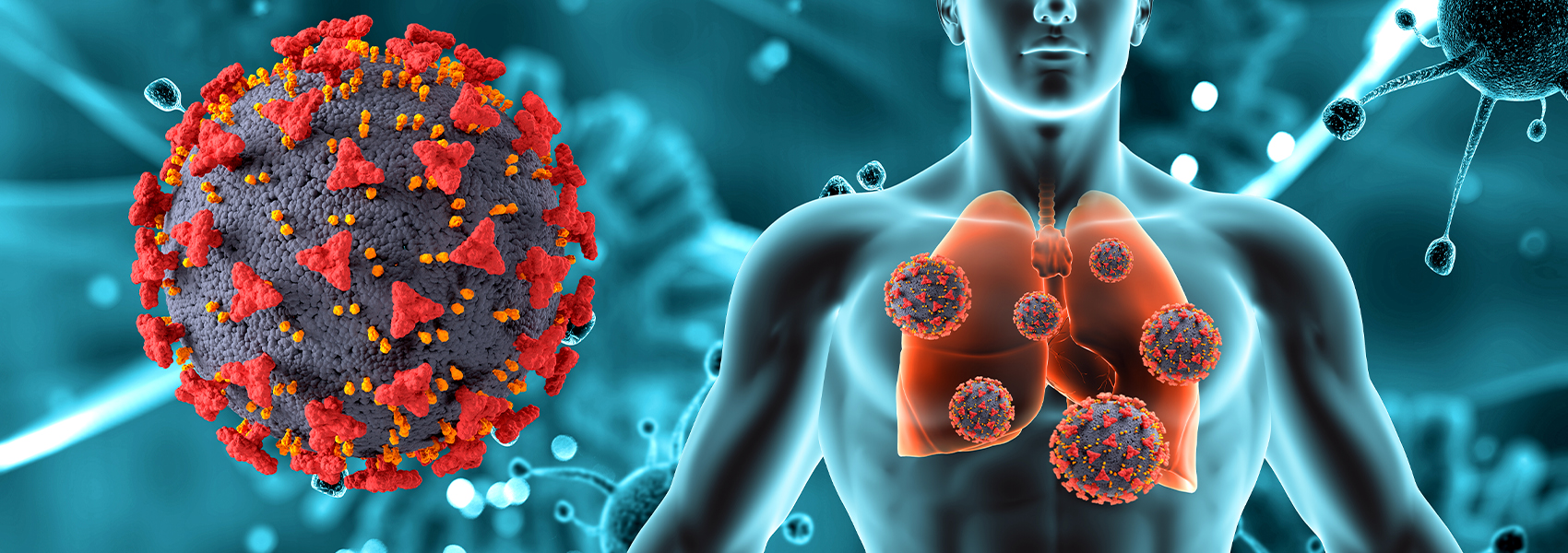

Lung diseases in which thoracic surgery plays a role in diagnosis and treatment;

The management of lung cancer typically involves a multidisciplinary approach, and a “lung cancer
team” refers to a group of healthcare professionals from different specialties who collaborate to
provide comprehensive care for individuals with lung cancer. The team works together to diagnose,
stage, and treat the cancer, as well as to provide supportive care throughout the patient’s journey.

A doctor who specializes in lung diseases. Pulmonologists are often involved in the diagnosis and management of lung cancer, particularly if the cancer is detected through respiratory symptoms or imaging studies.

A surgeon who specializes in operations on the chest, including lung surgeries. They may be involved in procedures such as lung resections (Robotic Resection,VATS resection) or biopsies.

A doctor who specializes in the treatment of cancer using chemotherapy, targeted therapies, immunotherapy, and other systemic treatments.
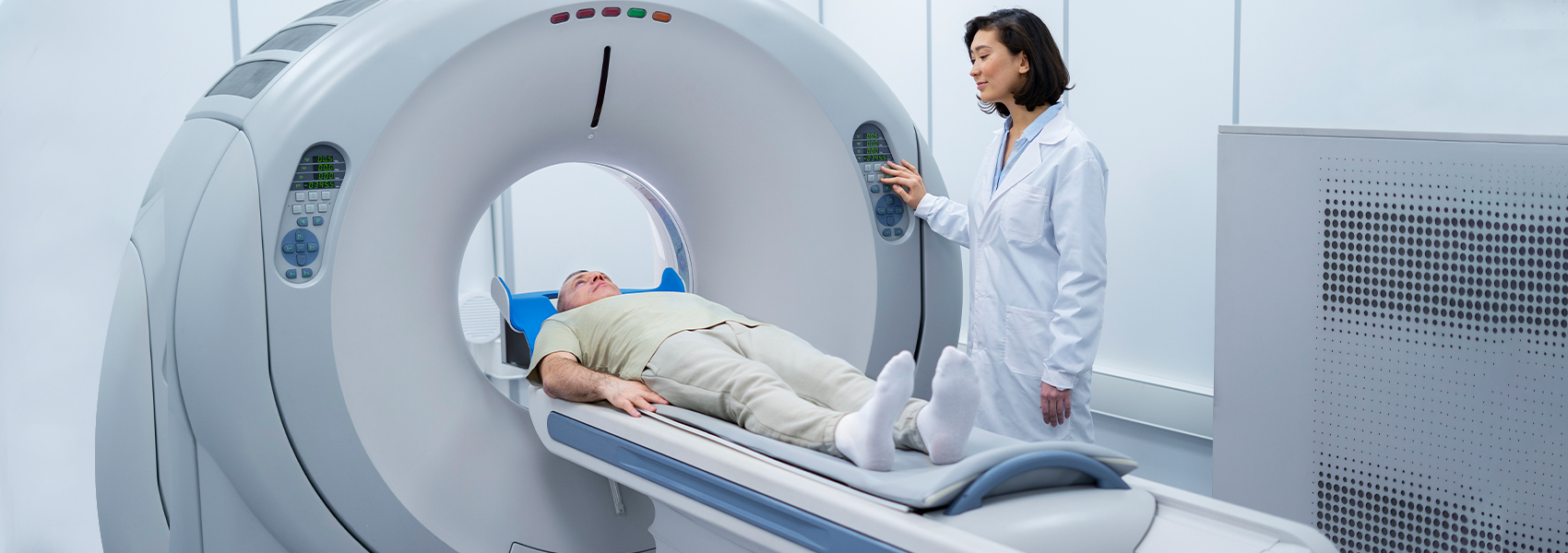
A doctor who specializes in using radiation therapy to treat cancer. Radiation oncologists may be involved in developing and administering radiation treatment plans.

A medical professional who examines tissue samples (biopsies) to diagnose the type and stage of cancer. The pathologist’s findings are crucial for determining the most appropriate treatment.

A specialist who interprets imaging studies, such as X rays, CT scans, and PET scans, to help diagnose and stage lung cancer.
Lung cancer is one of the most common cancers worldwide and a leading cause of cancer-related deaths. The frequency of lung cancer can vary by region, demographic factors, and lifestyle choices. Some key points about the frequency of lung cancer include:
• Global Incidence: Lung cancer is a major global health issue. According to the World Health Organization (WHO), lung cancer is the most commonly diagnosed cancer and the leading cause of cancer death worldwide. The incidence of lung cancer varies significantly from country to country.
• Risk Factors: Smoking is the primary cause of lung cancer, and the risk is strongly associated with tobacco use. Exposure to secondhand smoke, environmental pollutants (such as radon and asbestos), and genetic factors can also contribute to the development of lung cancer.
• Demographics: The incidence of lung cancer tends to be higher in older adults. Men historically have had higher rates of lung cancer than women, although this gap has been narrowing in recent years, partly due to changes in smoking patterns.
• Trends: The incidence of lung cancer can change over time due to shifts in smoking habits, awareness campaigns, and changes in environmental factors. Efforts to reduce smoking prevalence can have a significant impact on lung cancer rates.
• Screening and Early Detection: Early detection of lung cancer can improve outcomes. Screening programs, such as low-dose computed tomography (LDCT) scans for high-risk individuals, are being implemented to detect lung cancer in its early stages when it may be more treatable.
It’s important to note that while smoking is a major risk factor, not all cases of lung cancer are related to tobacco use. Some individuals who have never smoked develop lung cancer, and there are other risk factors involved. If you or someone you know is concerned about lung cancer, it’s crucial to consult with healthcare professionals for personalized information, risk assessment, and appropriate screenings or tests. Early detection and timely medical intervention can significantly impact the prognosis and treatment outcomes.
To offer you the fastest diagnosis and treatment, 3Gen Health Turkey brings together knowledge, experience, academic approach and modern technology. Our doctors have both specialist and academic careers. Our team of doctors has the titles of Professor and Associate Professor. Current academic knowledge and experience make us successful in diagnosis and treatment.
Copyright 2024 © 3Gen Health Turkey. All rights reserved.